Inhaltsverzeichnis
- 1 blood sugar levels
- 2 Fasting blood sugar and diabetes
- 3 hypoglycaemia due to insulin deficiency
- 4 diabetes mellitus
- 5 Symptoms of diabetes mellitus
- 6 Two forms of disease
- 7 Special features of diabetes type 2
- 8 Recommendations for diabetics
- 9 Insulin: The vital hormone
- 10 Accu Chek Blood Glucose Meter
- 11 Accu Check Smart Pix
- 12 Are you looking for the Accu Check Smart Pix?
- 13 Accu Check Smart Pix compatibility with other Accu Check products
- 14 Evaluation of blood sugar data with the Accu Check Smart Pix
- 15 Operating the Accu Check Smart Pix
- 16 blood glucose meter
- 17 What is blood sugar
- 18 Methods of blood glucose measurement
- 19 Framework conditions for blood glucose monitoring
- 20 Pregnancy diabetes after the
- 21 childbirth
- 22 Oral glucose tolerance test Sugar stress test
- 23 The full grain – good against diabetes
- 24 Often the magnesium requirement increases in summer
- 25 Why the prehistoric man has absorbed enough magnesium
- 26 “10 minutes care a day” – diabetic feet in view
- 27 Why is foot care so important, especially for diabetics?
- 28 As a special for the summer: What does the podologist say?
- 29 High blood pressure in people with diabetes
- 30 High blood pressure and diabetes
- 31 Hypertension and its effects
- 32 What is arteriosclerosis?
- 33 How can aspirin help against arteriosclerosis?
- 34 Disappoint study results
- 35 Mountain sports and cardiovascular diseases
blood sugar levels
The blood sugar values give an insight into the glucose concentration in the blood. If these values are no longer within the normal range, this is referred to as hypoglycaemia or hypoglycaemia.
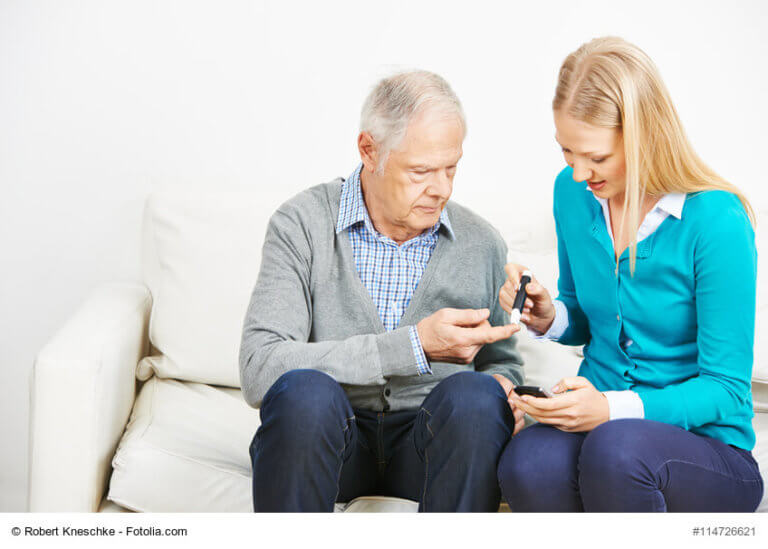
The blood sugar level is usually determined in the laboratory. However, there are also portable blood glucose meters that allow patients to determine their own daily value and read it very easily. This eliminates the need for annoying visits to the doctor. A portable measuring device can be prescribed by the attending physician if indicated and is then usually covered by the statutory and private health insurance funds.
Fasting blood sugar and diabetes
Blood samples can be taken fasting in the morning before eating. One speaks then of the so-called fasting blood sugar. Blood collection before a meal is called preprandial blood sugar. There’s also postprandial blood sugar. This is measured a few hours after a meal.
A chronic increase in blood sugar is referred to as diabetes mellitus. No glucose can be absorbed into the cells. This is characterised by a risk of serious concomitant and secondary illnesses. Diabetes mellitus usually develops symptom-free for a very long time, so that unfortunately it is often only recognised very late. The disease only becomes noticeable when the blood sugar level exceeds a critical level. The typical symptoms are fatigue, weight loss, thirst, itching, urinary tract infections, general infections, impaired vision as well as loss of drive and strength.
Long-term diabetes often leads to complications, especially if the blood sugar level has been poorly adjusted for a long period of time.
In order to counteract hypoglycaemia, you should always eat in good time and enough. Sport, physical exertion and stress additionally consume Glucose. If you are low in sugar, you should eat or drink something sweet immediately. Patients suffering from hypoglycaemia should always carry an emergency kit with them in order to be able to increase the glucose value very quickly in the event of hypoglycaemia. Alcohol can promote hypoglycaemia and should therefore only be consumed in moderation.
hypoglycaemia due to insulin deficiency
Hyperglycaemia occurs as a result of a lack of insulin. This can have various reasons, such as errors in therapy due to incorrect insulin, infections, pregnancy or even changes in the hormone balance. Slight increases in blood glucose levels often go unnoticed because early signs of elevated levels such as fatigue and weakness are often underestimated, not taken seriously or inadequately treated. Over-sugar causes an over-acidification. Elevated blood sugar levels can be lowered accordingly with diet and exercise, tablets and insulin.
Food and its ingredients have a great effect on the disease. Glucose, for example, is such a substance and is consumed directly or indirectly as a carbohydrate in the form of sugar. As an energy supplier, glucose can only do its job if it gets into the cells. Insulin is responsible for this in turn.
By changing your lifestyle, you can get the disease under control, which in turn improves your quality of life.
diabetes mellitus
Diabetes in Latin: Diabetes mellitus is associated with high blood sugar levels. This is caused by a lack of insulin (a hormone of the pancreas) or insensitivity to insulin. This is needed to break down sugar from food. All carbohydrates are broken down into glucose during digestion.
Symptoms of diabetes mellitus
Symptoms of diabetes include unexplained weight loss, persistent thirst, frequent urination, fatigue, fatigue and susceptibility to infection.
Two forms of disease
Two basic forms of diabetes mellitus are distinguished: type 1, which is due to a genetic predisposition, and type 2, which is also called adult-onset diabetes. The first form is deficient in insulin, the second is insensitive to the hormone. In type 1 diabetes, insulin must be injected daily into the body, in type 2 diabetes it may be sufficient to lose weight or the disease can be treated with tablets. Type 1 diabetes cannot be cured, insulin must be supplied to the body from outside for the rest of one’s life.
Special features of diabetes type 2
Adult-onset diabetes is often discovered purely by chance during a routine medical examination. In the early stages, resistance to insulin is balanced by the fact that the pancreas produces the hormone in larger quantities. However, this mechanism is exhausted at some point, and then the blood sugar level of the patient rises. For comparison: Normal is a fasting value from 70 to a maximum of 100 mg/dl.
Constantly increased blood sugar levels damage the blood vessels, which can lead to kidney and eye damage, stroke, heart attack and nerve damage. Diabetics may be required to dialyse or have a leg amputated due to vascular damage.
Recommendations for diabetics
It is therefore important to adjust the blood sugar level as well as possible when diabetes occurs. Type 1 diabetics should exercise sufficiently and eat healthily: not too much, not too fat, enough fibre, little alcohol. The same goes for type 2 diabetics, only that they should decrease as much as possible and move a lot. A diabetes diet is no longer considered necessary. It is important to regularly check the sugar levels, which should not be too high or too low, both are dangerous, too high and low. If a hypoglycaemia is on the horizon, glucose should be added to the body quickly, for example in the form of glucose.
Insulin: The vital hormone
Our food consists mainly of the three building blocks fat, protein and carbohydrates. When the food is ingested, it reaches the stomach and the intestines, where the carbohydrates are converted into glucose and from there they pass through the intestinal wall into the blood. In addition to fats, glucose is an energy supplier for every organism and important for the function of the brain, kidney marrow and red blood cells. In order to regulate the concentration of glucose in the blood, there are two different hormones which are released by the body depending on the blood sugar concentration. Insulin has the property of lowering the blood sugar level, whereas glucagon can increase it.
Insulin is produced in the so-called beta cells of the pancreas. The exact place is a small cell pile of the Langerhans Islands. The production of insulin is started especially after the intake of carbohydrate-rich food, because the blood sugar level rises. 10 milligrams are always in stock in the pancreas, which is usually enough for five days. The memory is replenished when the battery is discharged. A rapid lowering of the mirror is crucial for the removal of glucose from the tissue fluid and blood plasma into the cell interior. There it supplies the energy required by the body or it is stored in the form of glycogen. These processes show the important importance of the hormone.
In a healthy person. The blood sugar level on an empty stomach is usually 60 – 100 mg/dl and fluctuates throughout the day. Stress situations, serious injuries, infections, operations or a heart attack increase blood sugar levels, but they are not an indication of diabetes. A too high blood sugar, the technical term is hyperglycaemia, is often due to a wrong and unhealthy lifestyle and can usually be avoided by preventive measures. Anyone who frequently suffers from high blood sugar risks serious health consequences associated with the development of diabetes. A slight increase in value can be counteracted by a change in diet, whereby the diet must be low in fats and carbohydrates and rich in fibre and vitamins. If this basic rule is observed, it is possible to do without additional injections of insulin substitutes. The affected person should take the circumstance, unfortunately too serious under diabetes, because through a wrong or non-adjustment vascular damage, strokes, heart attacks or also the so-called sugar coma can threaten.
Accu Chek Blood Glucose Meter
Looking for an Accu Chek blood glucose meter?
If you want to buy an Accu Chek blood glucose meter, you have chosen a branded product. The company Roche Diagnostics Deutschland GmbH offers in 2011 a device for insulin pump therapy and three different devices for problem-free blood glucose measurement with battery operation.
The most important criterion is the accuracy of measurement, because after all it is about the health and the therapy-relevant decisions that are then made. Roche has set itself the goal of achieving the highest possible measuring accuracy for Accu Chek blood glucose meters.
The current Accu Chek Aviva Nano, the AccuChek Aviva and Accu Chek Mobile work precisely, easily and gently during blood glucose self-monitoring. They are easy to use, almost self-explanatory, robust and also visually appealing. The old predecessor models Accu Chek Compact, Accu Chek Compact plus, Accu Chek Comfort and Accu Chek Sensor are no longer in production.
There is also a separately orderable software CD for diabetes management on the PC, the Accu Chek 360 software. For this you need the suitable Realtyme USB cable. The measured data can be downloaded from the Accu Chek meter and stored and evaluated in a virtual diary.
If you want it easier, choose the Accu Chek Smart Pix data readout device, for which no extra software is required. Blood sugar values and insulin values can be read from the respective existing devices, even from older device types.
The Accu Chek Blood Glucose Meter Model Aviva and Aviva Nano
The two devices with the series designation Aviva are measured using a single strip. With amperometric measuring devices, the blood is drawn into the interior via a capillary and electronically examined. Depending on how high the glucose content in the blood is, the electrical voltage measurement is different.
The value is shown on the Accu Chek blood glucose meter’s backlit display within five seconds and only 0.6 microliters of blood are required. 500 measured values can be stored. And through the integrated infrared interface, these are transferred directly to the PC with the additional technical equipment mentioned above.
The Accu Chek Aviva Set with the measuring device and a first kit with a lancing device, some test strips, lancets and corresponding instructions is practical for getting started. As the name Accu Chek Nano already suggests, this device is particularly small, lightweight, can be stowed anywhere and lies comfortably in the hand.
The Accu Chek Blood Glucose Meter Model Mobile
Roche is particularly proud of the design, ease of use and innovation awards it received for its Accu Chek mobile blood glucose monitoring system in 2011. The device alone won three prizes for its successful design. Once at the red dot award and twice at the Plus X award. This measuring device does not require individual strips. The device has been around since autumn 2009, but laurels sometimes need a little more time.
Inside there is a cassette with fifty test fields that work like an endless tape. Therefore no single strip has to be inserted from the outside. A drum with six lancets for gentle blood collection is attached to the device.
This integrated lancing device is called Accu Chek FastClix Mobile. These lancets drum and the cassette can be easily and hygienically disposed of. With this Accu Chek blood glucose meter, you save a good third of the time and work processes involved in glucose testing.
Keine Produkte gefunden.
And fortunately, only 0.3 microlitres of blood are needed, half as much as in the Aviva model. Also convincing is the enormous data management, which can store five hundred values and offset them against each other. The transmission to the PC also works here with the infrared interface. This Accu Chek Blood Glucose Meter currently offers the highest
Accu Check Smart Pix
Are you looking for the Accu Check Smart Pix?
The Accu Check Smart Pix is the suitable device for transferring the read values of the Accu Check series to the PC via infrared interface. It is actually a connection between various devices of the Accu Check series and the PC. The blood sugar and insulin values can be stored quickly and easily on the PC. and graphically processed and evaluated.
Thus, every diabetic can not only store the data at short notice, but also create his own medical diary on the PC. In the case of a case, this can also provide the physician with important information if these values are collected over a long period of time.
Keine Produkte gefunden.
Accu Check Smart Pix compatibility with other Accu Check products
A blood glucose meter makes sense. The blood sugar level is displayed within seconds and you can react quickly if necessary. However, when the memory is full, the values can no longer be stored.
Now another solution has to be found and this can be found in the Accu Check Smart Pix blood glucose meters of the Accu Check series. This is used to connect the corresponding measuring device to the PC and read and transfer the values. This is possible with the Pocket Compass 3.0 software for handhelds and the following products:
Accu Check Mobile, Accu Check Aviva, Accu Check Compact Plus, Accu Check Compact, Accu Check Sensor, Accu Check Comfort, Accu Check Spirit, Accu Check D-TRONplus and Accu-Chek Voicemate Plus Voice Device.
So anyone who owns one of the devices should also consider buying the Accu Check Smart Pix. No additional cables or software products are required, everything else is done by Smart Pix.
Evaluation of blood sugar data with the Accu Check Smart Pix
If you have an Accu Check Smart Pix, you can use it to transfer a wide range of values from Accu Chec blood glucose meters to your PC. But that’s not all, because there are also different selection options on the PC.
Thus the user can access twenty different representations of the downloaded values and is therefore very free, which allows the personal evaluation of the data. Among other things, an overall course can be mapped, but daily or weekly statistics are also conceivable. In addition to Accu Check Smart Pix, software sold separately provides a diary function for more comprehensive diabetes analysis.
Anyone who wants to know more can use the software to document and evaluate blood glucose values and other relevant data over a long period of time. It should be noted that the physician is also very happy about a patient who can fall back on such data material. But this would not be possible without the Accu Check Smart Pix.
Operating the Accu Check Smart Pix
Even those who are familiar with the PC and the installation of software and hardware will be surprised how easy it is to connect the Accu Check Smart Pix to a PC. No software has to be installed for this, as everything necessary is already included in the scope of delivery.
This means that the Smart Pix can be connected to a PC and put into operation in no time at all. Already the creation of own statistics and graphics can be tackled. They can document the course of therapy and therefore the Accu Check Smart Pix is a highly recommended device.
blood glucose meter
This is due to a chemical reaction of the enzymes contained in the blood, which the blood glucose meter evaluates and displays or releases.
Until a few years ago, it was customary to determine the blood sugar content exclusively by means of an optical test strip. However, this proved to be problematic for people suffering from visual impairment. In addition, the values determined in this way were not very accurate and often led to incorrect interpretations and thus to inaccurate treatments. In the meantime, there are blood glucose meters that also allow the values to be announced acoustically.
There are several Comfort devices that even allow the measured data to be managed. An internal data storage is possible. In some cases, such blood glucose meters also have an interface through which the meter can be connected to a computer. In this way the data can be transferred. A doctor, for example, benefits from this, as he can have the determined values transferred in this way. If you want to buy such a device, you should make sure that it can store at least one hundred values.
If you are less technically experienced, you should use a simple device. Fewer operating errors are possible and the values are determined more accurately. In the meantime, there are also blood glucose meters on the market that allow blood to be taken from the thigh, for example.
The price differences of the offered blood glucose meters are partly quite considerable, which is mainly due to different additional functions and technical extensions of the devices. It should be noted that the pure purchase price is not enough, because in the course of time there are always costs for the purchase of new test strips. These follow-up costs exceed the value of the device many times over after some time. However, there are also cases in which the patient only has to buy the test strips, the actual measuring device is provided by the manufacturer or borne by the health insurance company.
What is blood sugar
The amount of glucose in the blood indicates the so-called blood sugar level. Glucose is an important substance in the body because it is responsible for the supply of energy. Red blood cells and renal marrow could not function without glucose at all. The interaction of two peptide hormones secreted by the pancreas regulates the blood sugar level. If the blood sugar content in the blood drops, glucagon is released in the following cases The release of insulin takes place after an increase, in order to correct the values in each case.
The blood sugar value is an important value in medicine because it says a lot about a patient’s state of health. If the value is increased over a longer period of time, diabetes is present in most cases. The blood sugar level has a great influence on the performance of the brain. For example, hypoglycaemia, i.e. too low a blood sugar level, can reduce performance. This is usually associated with an increased release of adrenaline, muscle tremors and sweating are also signs of hypoglycaemia.
If the blood sugar value is to be measured, this is done by taking some blood from a capillary vessel. A stab in the fingertip is enough. The blood is transferred to a test strip, which is then inserted into an appropriate blood glucose meter, which calculates the value. The value is then given in millimoles per litre, the abbreviation being mmol/l. Depending on the age of the person tested, the standard values of blood sugar differ considerably. An infant should have a value between 3.3 and 5.0 mmol/l, an adult the higher value between 5.0 and 6.1 mmol/l. If the values are elevated, one speaks of hyperglycaemia, with too low results a hypoglycaemia is present. Both are in need of treatment, the appropriate therapy is determined by the attending physician.
Methods of blood glucose measurement
In the meantime, two measurement methods have become established, which are used with the blood glucose meters available in pharmacies. On the one hand, the optical measurement should be mentioned at this point. Blood is taken from a capillary vessel and applied to a test strip. The chemical substances in the strip trigger a reaction with the blood. This changes the color of the strip. A measuring instrument can now record and evaluate this change in color. The strength and duration of the discoloration are the decisive factors for determining the blood sugar value, which can now be easily read off.
The second method of blood glucose measurement is the so-called amperometric measurement. With this method, a capillary ensures that the blood is drawn into a test field via a test strip that is not visible from the outside in the blood glucose meter. In the test field itself there are various electrical lines with which the blood comes into contact. The measuring instrument now applies precisely defined electrical voltages to the contacts and measures the current that is generated. The actual blood sugar value is now measured and displayed by the course of the current strength.
The third method that is to become established in the future for blood glucose meters is non-invasive measurement. These are the so-called injury-free measurements, i.e. there is no need to prick the finger or earlobe. The blood sugar value can therefore be determined without taking blood. One possibility for this is spectral analysis, in which the back of the eye is illuminated. Very exact values are delivered. The quality of blood glucose measurements can be improved by implanting a passive sensor into the eye. The values determined in this way can be transmitted to the display unit via a transponder. The second possibility of non-invasive measurement is the use of a laser that measures the blood sugar level through the skin. However, non-invasive measurements are still in the testing phase.
Framework conditions for blood glucose monitoring
In order to determine the value of the blood sugar level as accurately as possible, it is absolutely necessary to adhere to certain basic conditions. This is the only way to determine an exact result that can only be achieved with a few deviations from the actual blood sugar level in the blood.
First of all, the hands should be washed if blood is to be taken for the test. On the one hand this naturally ensures the necessary cleanliness, on the other hand the blood circulation of the skin is increased, which facilitates the collection of blood. In addition, any sugar residues still on the surface of the skin are removed from food, which could also lead to a false value. When taking a blood sample, care must be taken that the finger is not squeezed too much, as the liquid thus expressed from the surrounding tissue can falsify the result.
The test strip to be used for the measurement must match the meter exactly, otherwise an incorrect value may be determined. Therefore, the available test strips should only be stored in the original packaging and not in other, already emptied packaging of other devices or manufacturers.
Even the environment has an influence on the measured value. If the room air is too humid, i.e. the value is above eighty percent, or if it is too dry, i.e. below ten percent, the measuring device does not work accurately. This also applies to the room temperature. The result may be falsified if the temperature is very cold or very warm. Therefore, the room temperature should always be around twenty degrees Celsius when measuring.
The blood glucose meter itself should be recalibrated at regular intervals so that it always works accurately. For this purpose and also for the application of the test strips and the performance of the measurement, the operating instructions of the device must be read; important information on the performance of blood glucose tests is given here. Doctors or pharmacists will also provide information if questions arise about the test or the device.
form start
Pregnancy diabetes after the
childbirth
First of all, I would like to mention that a screening test for gestational diabetes only AFTER the birth of the child will usually not show a useful result, since gestational diabetes usually disappears immediately after the birth. It is a temporary condition during pregnancy.
During childbirth:
During childbirth, various hormones are produced in the woman’s body that can have an effect on blood sugar levels. When the child is born, the mother’s blood sugar level should be within the normal range, otherwise the child may develop hypoglycaemia. But don’t worry: If the pregnancy diabetes was known and noted in the maternity record, if you talked about it during the interview in the maternity clinic, the blood sugar level of the mother and child is monitored during and after the birth. If you have a blood glucose meter yourself, you should test your blood glucose level during birth. The father-to-be may also gladly do this. It is possible that your child will be specially monitored afterwards to make sure that his blood sugar metabolism levels off again well.
After childbirth:
If you have injected insulin during pregnancy, this will no longer be necessary from the moment of birth. Blood glucose measurement is also largely omitted. If you wish, you can take occasional control tests, for your own peace of mind. Please note that the strict limits only applied during pregnancy. The limits are higher for non-pregnant people:
- fasting < 110 mg%
- 2 hours after meals < 140 mg%.
1st Guideline of the German Diabetes Society
There will be It is recommended to perform an oral glucose tolerance test 12 weeks after delivery (or after weaning).
Next kid:
In the case of a further pregnancy, the screening test may be performed much earlier than in the 25th week of pregnancy, as the blood sugar levels often increase earlier with the woman’s increasing age.
Oral glucose tolerance test Sugar stress test
How are you getting ready?
Some things have to be considered to get a reliable result. The test takes 2 hours and is therefore more time-consuming. This makes it all the more important to obtain a reliable result afterwards.
Here we go!
- The day before you should eat a carbohydrate-rich diet (starchy foods such as bread, pasta, potatoes, rice, etc.).
- If you are taking medication, talk to your doctor about how it affects the outcome.
- No unusual movement before. Not on the day after a hike or similar.
- At least 8 hours before the event, do not drink any food or beverages containing sugar.
- Do not smoke before and during the test.
- Do not start the test after 9:00am. Important As the sugar metabolism follows the daily biorhythm of the body.
- The doctor will then take your fasting blood and you will drink a solution of 75 g glucose. Then you’ll have to wait 2 hours. During this time it is absolutely necessary to stay in the doctor’s office! Don’t move too much, don’t eat, don’t drink sweetened food, don’t smoke. Take a book with you.
The evaluation is carried out by the doctor either on the same day, provided that the doctor has the possibility to determine the blood sugar tests immediately. Otherwise he will order you back for evaluation and you can finally have breakfast. Go!
In both cases, the doctor will tell you whether you have diabetes or a preliminary stage (IFG/IGT).
The full grain – good against diabetes
A diet that includes several portions of whole grain and a few white flour products per day can protect against diabetes and reduce abdominal fat, according to a recent study. If a diabetes disease is already present, the healthy grain should be on the daily schedule anyway, since the dietary fibres contained in it cause the blood sugar level to rise only slowly.
Whole grain products are recommended for a healthy and balanced diet. The whole grain in bread, pasta, rice etc. contains many B vitamins, vitamin E and folic acid. In addition to the minerals calcium, iron, zinc and magnesium, it also contains various dietary fibres or secondary plant substances. This combination is not only healthy for the stomach and intestines, it also ensures a long feeling of satiety, as the whole grain grain keeps blood sugar stable and prevents cravings.
Less belly fat due to whole grain
Various studies have already shown that regular consumption of wholemeal products can reduce the risk of type 2 diabetes in the long term.
In a recent study, researchers at Tufts University discovered that people who prefer the whole grain variant in cereal products produce significantly less belly fat. The research team interviewed around 2,800 adults about their eating habits and examined their fatty tissue. The result was that those who fed on wholemeal products instead of white flour products had accumulated significantly less belly fat. In concrete terms, this means that the abdominal fat around the internal organs was lower (the so-called visceral fat tissue). This is considered to be one of the causes of high blood pressure, high cholesterol levels and Insulin resistance, which together can lead to cardiovascular disease or type 2 diabetes. The researchers were able to observe the positive effect of whole grain in people who consumed at least three portions of whole grain products per day. However, there was no positive effect among those who continued to eat many white flour products in addition to wholemeal portions. “It is therefore important to replace parts of the diet and not just to eat whole grains,” explains study author Nicola McKeown.
Positive influence on diabetes
With regard to diabetes, an adequate diet has a decisive influence on the development and course of the disease. In this context, whole grain products are of particular interest to diabetics because they are particularly rich in fibre and have a positive influence on the effect of insulin and on blood sugar levels. Whole grain products ensure an even and slower sugar supply. The dietary fibres contained delay the transfer of carbohydrates from the intestine into the blood. They also ensure a healthy intestinal flora and lower blood pressure in hypertension patients.
Professor Dr. Andreas Pfeiffer nourishing medical profession and Diabetologen of the citizens of Berlin university clinic Charit?points out that Diabetiker, who would like to avoid blood sugar rises with whole grain bread, should seize best to whole grain bread, with which whole grains were also baked. “Finely ground whole grain hardly slows the rise in blood sugar more than white flour,” says the expert. He explains the advantage of whole grains by the fact that they are “difficult to crack in the intestine” and that the indigestible dietary fibres they contain prevent the increase in blood sugar particularly effectively.
Often the magnesium requirement increases in summer
In the summer months, even convinced coachpotatos are often transformed into active outdoor walkers or even sportsmen. On the one hand healthy, but excessive exercise in an untrained state can lead to undesirable side effects. Anyone who gets extremely sweaty through sport loses a lot of magnesium and must expect cramps as a result. Doctors recommend the additional intake of magnesium.
The body needs magnesium for the most diverse areas. It is used to build bones and teeth, to transfer nerve impulses to the muscles and to utilize carbohydrates and proteins in the human organism. However, since the mineral only occurs in small concentrations in the human body, it should generally be supplied through food. The recommended daily dose an adult should take is about 300-350 milligrams. An increased need can be present with physical or mental stress, with diabetes mellitus, in the pregnancy and nursing period, in growth phases, with sportsmen as well as in the age.
Why the prehistoric man has absorbed enough magnesium
For millions of years people have been very active and have managed without additional nutritional supplements. So why worry about the recommended daily doses today? To answer this question, various reasons can be cited. A very important point is that the food of our ancestors was considerably richer in vitamins and minerals. Because instead of the industrial processing of food, our ancestors caught their meat themselves and picked their berries fresh. We, on the other hand, usually consume industrially processed products. However, modern food processing generally deprives foods of their natural content of vitamins, minerals and dietary fibres and replaces them with salt, fat and food additives, according to Uli Burgstein (in his book ‘Burgsteins Handbuch für For this reason, it is becoming more and more difficult for humans to eat healthily and to balance their nutritional requirements through food alone.
More magnesium for active athletes
A further difference between prehistoric man and modern man is mainly due to a change in movement behaviour. While people were still regularly active a long time ago, people today are often only active in periods. Often the body is suddenly extremely challenged in summer, while it is hardly moved in winter. This then unusual effort inevitably leads to an overload, which in turn means that the body quickly uses up the available magnesium reserves. In addition, the prehistoric man probably did neither practice sweaty competitive sport in the form of triathlon or marathon, nor will he have enjoyed extensive sunbathing in the midday heat. Both are situations that are not biologically intended. This is confirmed by the head of the sports medicine department at the Charité, Campus Benjamin Franklin.
Where do you get the magnesium?
Whether you are an extreme sportsman or a sun worshipper or simply sweat more in summer, everyone should ensure a balanced magnesium balance. In particular the group of diabetics, since according to a study of the University of Stuttgart a magnesium deficiency can often occur here. According to one study, only 11% of insulin-liable and 15% of non-insulin-liable study participants have optimal magnesium levels. The reason for the low values is the magnesium loss due to the increased urination. This is a consequence of the disturbed blood sugar metabolism.
Foods such as sunflower seeds, wheat bran and wholemeal products or oat flakes are particularly suitable for covering the daily magnesium requirement, Nuts and beans are also useful suppliers. If these products are part of a regular diet, a severe magnesium deficiency is less likely.
Signs of magnesium deficiency
Symptoms of an acute magnesium deficiency are increased muscle twitching and muscle cramps as well as increased susceptibility to muscle tension, pulled muscles and muscle fibre tears. Restlessness, tremors, circulatory problems and headaches can also indicate magnesium deficiency. Those who consume a lot of alcohol, take dehydrating tablets and laxatives or the contraceptive pill should take magnesium supplements.
Checking the quality of magnesium preparations
Magnesium supplements are not all the same. The concentration is very different and not all contain magnesium in organic form (magnesium citrate). However, this body-friendly citrate is present in all foods and should therefore also be present in the nutrient supplement. Athletes should pay particular attention to a high dosage and that the product contains as little sugar or artificial sweeteners as possible.
Consequences of an overdose
Magnesium behaves in the same way as vitamin C: after absorption, it is quickly broken down again. Very high concentrations of magnesium in the blood are therefore unlikely and can only be expected in the case of infusions or kidney damage. If the magnesium level is too high, paralysis can occur, which also affects breathing and blood pressure regulation. In extreme cases, a coma can occur.
“10 minutes care a day” – diabetic feet in view
When it comes to skin care, most people think first of the face. However, diabetics should pay particular attention to their feet: Due to permanently Blood sugar levels often lead to impairments of blood circulation and nerve function – with fatal consequences, as a podologist explains in an interview.
Diabetics often suffer from a nervous disorder (neuropathy), which is particularly noticeable in the feet. What makes you think that?
Nerve disorders in diabetics are usually directly related to an increased or poorly adjusted blood sugar level over a longer period of time. Like power cables, nerves have insulation – and this insulation is attacked by the elevated blood sugar. Since the nerve endings on the toes are particularly sensitive, neuropathy is usually the first thing to be noticed there.
Why is foot care so important, especially for diabetics?
If the nerves are damaged by neuropathy, the patient either has a reduced or no pain sensation at all: Small injuries, cracks in the skin or under the cornea are not noticed at all or only very late. Germs or fungi that penetrate such wounds can then cause severe inflammation. Foot care is so important for diabetics in order to recognize problem areas on the skin at an early stage or to avoid them completely. Permanent damage to the feet can thus be largely ruled out.
How much time do diabetics have to invest in daily foot care? What must they pay particular attention to?
It all depends on how old the patient is. An older patient generally needs a little longer than a younger one. But in my experience the effort is at most 10-15 minutes a day. Diabetics should first make sure that their skin remains supple through daily application of cream. The development of skin cracks is thus avoided. The daily control with a mirror is also very important. The patient can detect and treat minor injuries at an early stage. I don’t want to.
Are the most important diabetic foot care utensils for your home watering?
Here the principle applies first of all: no pointed or sharp objects such as scissors or corneal planes. The skin on the foot or cuticle is very sensitive and can easily be injured. To shorten the nails I recommend a glass file, to remove the cornea a pumice stone.
How many of your patients already have incipient neuropathy?
About a third of my patients already have neuropathy. In half of these patients, neuropathy is already very pronounced.
How can the symptoms of neuropathy manifest themselves?
Many patients come to me and report tingling or burning skin, especially at night. One speaks here also of plus symptoms, thus a general over-irritation of the skin. Such symptoms are indications of incipient neuropathy. At an advanced stage, we speak of minus symptoms, i.e. the patient increasingly loses the sensation on his feet. The risk of skin and nail damage increases considerably, because the sensation of pain also decreases.
How can you detect an incipient neuropathy?
When a patient comes to our practice for the first time, we first thoroughly assess the condition of the feet. In addition to a general examination for horn sites, blisters and cracks in the skin, we do some neurological tests, such as the tuning fork test. In this case I hold a struck/oscillating tuning fork to different points of the foot and check to what extent the patient feels the vibrations. A patient with a pronounced neuropathy does not feel any vibrations during this test.
What can diabetics do to prevent neuropathy in advance or to prevent progression? brake?
The most important thing is to have your blood sugar level adjusted by a diabetologist or your family doctor. Those who then regularly care for their feet and visit a podiatrist if necessary can considerably reduce the risk of foot damage. Sufficient exercise is also very important. Every year, the diabetologist at our clinic does a small run on the Rhine with the diabetes self-help group. The blood sugar level is measured at the beginning and at the end. The participants are always surprised how half an hour of exercise has a positive effect on their sugar level. A low blood sugar level naturally also lowers the risk of neuropathy. In addition, there are benfotiamine preparations that counteract the development of nerve damage and circulatory disorders even in the early stages of diabetes. Existing complaints such as discomfort in the feet and hands can also be effectively alleviated.
What do people who take a benfotiamine drug report?
One of my patients has been on this medication for over a year. She has a pronounced neuropathy. She has improved her sensation of feeling in her feet by taking it – and she reports that she hasn’t had any cramps in her calves for half a year.
What can happen if neuropathy is not treated?
The long-term consequences of an untreated neuropathy are fatal: irreparable deformities of the feet, calluses and often underlying ulcers. If a germ then penetrates and an inflammation is added, a diabetic foot can develop – in extreme cases even the foot or parts of the foot must be removed.
Do women have to look after their feet differently from men? Are there any differences?
Women generally pay more attention to their Feet as men. They are more concerned with care and beauty. However, I repeatedly find that men – once they have been informed about the risks of neuropathy – are just as committed as women.
As a special for the summer: What does the podologist say?
Can diabetics walk barefoot on the beach?
As a diabetic you are allowed to walk barefoot on the beach. However, if there is already a slight neuropathy, I strongly advise against it. The risk of injury from lace or sharp-edged objects such as small stones, shells or flotsam is very high. It can cause blisters and inflammation that are difficult to treat. It would be a pity if you permanently damage your feet during a half-hour walk along the beach.
How can diabetics relieve their feet on warm days?
Often the feet swell faster and pressure points develop. Such swellings and pressure points are usually only small, harmless oedemas. Quick remedy and refreshment creates here a cool foot bath. This should not take longer than three minutes. Otherwise the skin becomes too soft that favors the penetration of germs and fungi.
In summer one would like to wear beautiful shoes, especially as a woman!
What are the possibilities if you already have an incipient neuropathy/neural disorder?
In my opinion, health should always be at the forefront. Diabetics with neuropathy should ask themselves the question: Do I want to wear fashionable shoes or do something for the health of my feet?
High blood pressure in people with diabetes
Not only do high blood pressure and diabetes often occur together – they also have in common that they often go unnoticed for a long time and therefore do not occur at all, or only at all. will be inadequately treated. Up to 80 percent of people with type 2 diabetes have elevated blood pressure and up to 40 percent of people with type 1 diabetes also have it. Increased risk factors for diabetics with hypertension are in particular cardiovascular diseases and microvascular complications.
High blood pressure is a serious condition. If the blood pressure is constantly high, the large and small blood vessels that supply the body with oxygen are damaged. In many cases, those affected do not notice the hypertension because they feel fit and powerful. However, this drastically increases the consequential risks, such as those of a stroke. High blood pressure is often only noticed when consequential damage has already occurred. If diabetes and high blood pressure develop together unnoticed, initially uninvolved organs can be severely affected. One disease favours the consequences of the other and vice versa.
High blood pressure and diabetes
The World Health Organization (WHO) has set the limit between normal and elevated blood pressure at 140 / 90 mmHg. Values exceeding this are called high pressure, which must be treated. Furthermore, the WHO has also defined a range below 140 / 90 mmHg, which is regarded as “high normal” blood pressure. For diabetics, for example, antihypertensive measures can already be useful in this area. A WHO recommendation here is a blood pressure of less than 120 / 80 mmHg.
High blood pressure, also known as arterial hypertension, is a normal condition for most diabetics. According to diabetes guides, about 70 percent of all type 2 diabetics have elevated levels. About eleven years after diagnosis, the figure rises to 80 percent. In type 1 diabetes, on the other hand, the relationship between high blood pressure and diabetes is somewhat smaller. But here, too, one in two, about 20 years after diagnosis, has increased Blood work.
Hypertension and its effects
High blood pressure attacks the blood vessels alone or in combination with other risk factors such as diabetes, elevated blood lipids or smoking. These are elastic in healthy people and can adapt to the respective stress situation. Due to the constant high pressure, however, the arterial wall is permanently stressed, which can lead to vascular changes. These are accompanied by thickening, calcification and loss of elasticity of the vessel. The vessel becomes narrower and narrower and the blood pressure higher. High blood pressure thus leaves its mark on various organs in the long term: bad eyes, heart attacks, broken kidneys and strokes can be the result. If left untreated, it can cause serious damage to the organs. In diabetics, the risk of stroke even increases tenfold.
Treat high blood pressure
The basis for the treatment of hypertension, as in the treatment of diabetes, is a healthy lifestyle and regular monitoring of high blood pressure in addition to monitoring blood sugar levels. The values of the blood pressure measurement should be noted together with the blood sugar values in the diabetic diary, in order to be able to seize so the different and influencing everyday conditions on a view. The overview of the values forms the basis for the physician to determine the therapy goal and to decide which drugs have to be administered.
The regular measurement of high blood pressure and the intake of medication are particularly important for the patient, even after the immediate therapeutic goal has been achieved. According to the diabetes guide, many blood pressure patients do not take their tablets, which is why many of them do not reach their target values. There are many reasons for this. Side effects often play a role. If these occur, the Medication should not be discontinued arbitrarily, but an agreement should be made with the doctor.
Argument: Aspirin continues to prevent arteriosclerosis?
Those who have survived a heart attack are often treated with aspirin afterwards. Risk patients were also recommended for a long time to take 100 mg aspirin per day to prevent a heart attack. This type of prevention is now considered controversial.
At the annual meeting of the European Society of Cardiology (ESC), a large-scale study was presented questioning the benefits of aspirin in preventing heart attacks. Almost 3,350 men and women aged 50 to 75 participated in the study. All participants had previously been diagnosed with arteriosclerosis.
What is arteriosclerosis?
In arteriosclerosis, the arteries transporting oxygen constrict and harden. Gradually more and more fat is deposited in the vessel walls of the arteries. This not only makes them narrower, but also stiffer, so that the blood can no longer flow properly through them. The narrower the arteries become, the greater the risk that some of the hardened fat on the vessel walls will come off and clog the veins. This constipation can lead to a supply bottleneck of the heart and trigger a heart attack. Less life-threatening but very unpleasant are circulatory disorders in the legs, eyes and groin. They manifest themselves as burning, visual impairment and impotence. The causes of arteriosclerosis include diabetes mellitus, genetic predisposition, poor diet, lack of exercise, smoking and, last but not least, old age. When several factors for arteriosclerosis, such as smoking, diabetes and obesity, come together, the overall risk increases. on.
How can aspirin help against arteriosclerosis?
Aspirin is actually just the brand name for a Bayer drug. The most important active ingredient of the preparation is acetylsalicylic acid and is abbreviated as ASS. ASS relieves pain, inhibits inflammation and lowers fever. ASA is also used to prevent blood platelets and plaques from sticking to the arteries. In return, Bayer sells a low-dose aspirin variant called Aspirin Cardio®. The 100mg tablet is taken daily for the prevention of people with multiple risk factors for arteriosclerosis. Apparently, however, the drug is not nearly as effective as previously assumed.
Disappoint study results
In the “Aspirin for Asymptomatic Arteriosclerosis” study, the 3,350 participants were divided into two groups: One group received an ineffective drug (placebo) for 8 years, the other group received 100 mg aspirin per day. During these 8 years, all health events such as strokes or heart attacks were documented. Even if an operation was necessary to open and restore a vessel, this was recorded in the study. However, at the end of the study, 181 participants in the aspirin group suffered from strokes, heart attacks or vascular repair. In the placebo group, however, there were only 176 subjects. Although the study was not designed specifically for people with diabetes mellitus, many diabetics participated. Since type 2 diabetes is one of the most important risk factors for arteriosclerosis, this is not surprising. In the conclusion of the study, the researchers point to the low effect of ASA or aspirin in the prevention of cardiovascular diseases. The risk of serious illness cannot therefore be reduced with one small tablet per day. Reduce the day. Only the effort of a change in life towards more exercise and a healthier diet can stop the unpleasant consequences of arteriosclerosis.
Mountain sports and cardiovascular diseases
Among fatal mountaineering accidents, more than two thirds are due to cardiovascular failure. Hikers and skiers are the most affected. Should people with cardiovascular diseases therefore refrain from hiking and skiing?
Sudden heart failure resulting in death occurs in the total population in one to two cases per 1,000 people. This makes them one of the rather rare causes of death, but in mountain accident statistics in particular heart emergencies after falls are the most frequent cause of accidents. Is mountaineering not as healthy for people with cardiovascular diseases as many media and doctors claim?
Cardiovascular stress caused by mountain sports
Mountain hiking and skiing are by far the most popular mountain sports. Whether winter or summer holidays, many travel agencies offer package tours to the most popular ski resorts. Whether the holidaymakers have any previous knowledge or bring the physical fitness for such activities, the travel providers naturally do not check. According to studies by the German Alpine Club (DAV), the risk of sudden cardiac death when skiing due to a heart attack has increased by almost 100% in the past. In mountain hiking, on the other hand, only about 10 %. Men aged 34 and over are particularly hard hit. While inexperienced mountain hikers should be careful from the age of 40 at the latest, the risk of a heart attack in skiers only increases rapidly around the age of 50. As a rule, the casualties were people who, despite known illnesses such as diabetes, high blood pressure, high cholesterol and heart disease, were unable to cope with the consequences of the accident. had not taken any precautions: They had neither had stress tests carried out at home, nor had they sought medical advice for their holidays, nor had they been regularly physically active.
Mountaineering is not the cause of heart emergencies
The risk of cardiovascular failure is therefore not to be found in sporting activities in alpine terrain, but rather in the poor preparation of many occasional athletes. Those who spend their leisure time mainly in front of the television may not expect any physical peak performances on holiday. However, this fact is repressed just as frequently as the known presence of the cardiovascular disease itself. If you flush your heart medication with a schnapps before departure, you are simply acting irresponsibly. True to the motto “Sport is healthy and always healthy”, inexperienced skiers and hikers repeatedly disregard their physical limits. Heart emergencies in the mountains could have been prevented in most cases if the occasional sportsmen had observed some elementary safety rules.
How can heart emergencies be prevented in the mountains?
“Unusual conditions always mean stress for the organism,” say heart specialist Martin Buscher and sports scientist Martin Faulhuber from Insbruck. 50% of all cardiovascular emergencies occur on the first day of your holiday due to exaggerated exertion, such as going too fast at the start of the hike. Faulhuber and Buscher therefore strongly advise you to have a stress test and preventive medical check-ups carried out by your doctor at the beginning of a tour in order to detect any cardiovascular diseases. If such a disease is already known, its risk factors should be minimised. This means that blood sugar and cholesterol levels as well as blood pressure must be normalised before travelling. For every occasional athlete, an individually tailored build-up training is recommended: You should get used to longer hikes with a heavy backpack at home with longer walks and corresponding luggage. Overexertion due to sudden deterioration of the weather can also be avoided in advance. For all German, Austrian and Swiss ski and hiking areas, you can call up 24-hour weather and tour forecasts by telephone or on the Internet.
Keine Produkte gefunden.